
The Academic Compass: The Evolving Role of Tuition Classes in Sri Lanka’s Educational Journey
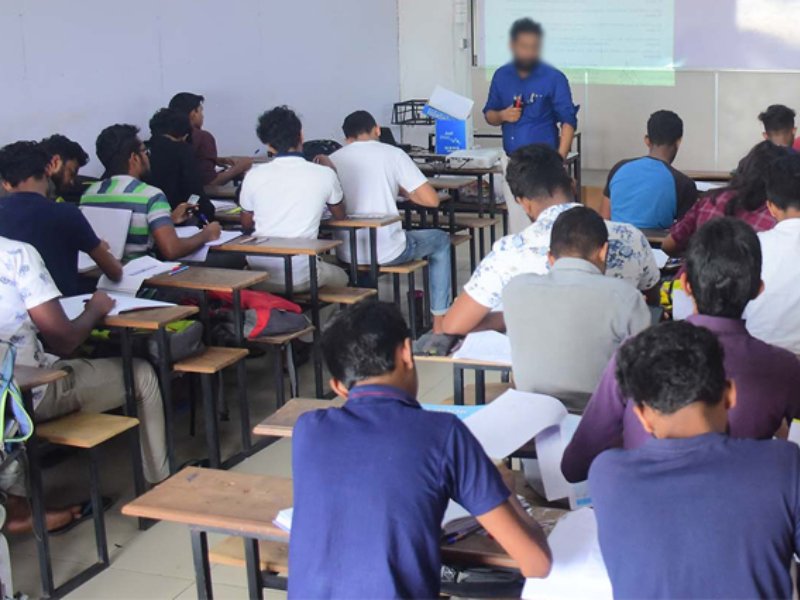
In Sri Lanka, the pursuit of academic excellence isn’t merely an ambition; it’s a profound cultural imperative, often underscored by the rigorous demands of our national examinations. Within this high-stakes educational landscape, tuition classes – a pervasive form of private supplementary instruction – have firmly established themselves as an almost universal component of a student’s academic path. Far from being a peripheral option, these classes are a core driver of educational outcomes and represent a dynamic, ever-growing sector across the entire island.
Why Tuition Classes Remain a Pillar of Sri Lankan Education Today
The widespread reliance on tuition classes srilanka is not a passing trend; it’s a consistent response to several interconnected factors deeply embedded within our unique schooling environment:
- Intense Competitive Arena: Examinations such as the Grade 5 Scholarship, G.C.E. Ordinary Level (O/L), and Advanced Level (A/L) are pivotal gateways to coveted school placements and limited university seats. This fierce competition places immense pressure on students and parents alike, naturally propelling them to seek every possible advantage.
- Augmenting Core Curriculum Delivery: While Sri Lanka proudly offers free public education, the realities of often large class sizes, varying resource availability across schools, and the inherent need for more individualized attention mean that school instruction alone may not always be sufficient to fully prepare students for these challenging exams. Tuition classes adeptly fill these gaps, providing in-depth syllabus coverage, extensive practice with past papers, and highly targeted revision.
- Accessing Specialized Mastery: Many tuition teachers are not just general educators; they are highly skilled subject specialists. They often possess an unparalleled understanding of specific exam structures, detailed marking schemes, and common areas where students struggle, equipping their students with invaluable strategic insights and techniques for complex problem-solving. This specialized focus is frequently critical for excelling in demanding subjects like Combined Mathematics, Physics, Chemistry, or advanced English language skills.
- Structured Reinforcement and Intensive Practice: Tuition classes typically adhere to a disciplined, accelerated curriculum, ensuring students systematically revisit and solidify their understanding of all necessary topics. The strong emphasis on regular assessments, mock examinations, and exhaustive past paper drills builds crucial confidence and familiarizes students intimately with actual exam conditions, significantly alleviating test-day anxiety.
- Fostering Collaborative Learning Environments: Group tuition classes, a very popular format throughout Sri Lanka, cultivate a vibrant space for peer learning. Students benefit from discussing concepts with their classmates, learning from each other’s questions, and finding motivation in a shared pursuit of academic excellence.
- Targeted Support for Individual Needs: For students struggling with particular concepts or requiring additional reinforcement, individual or small-group tuition provides the personalized attention necessary to pinpoint and address specific learning difficulties. This customized approach can dramatically transform a student’s comprehension and self-assurance.
Adapting and Innovating: The Trajectory of Tuition in Sri Lanka
While the benefits are clear, the tuition sector in Sri Lanka is not without its complexities. Ongoing national discussions often touch upon potential over-reliance, the significant financial burden placed on families, and occasional ethical dilemmas concerning certain practices. There’s also a growing recognition of the importance of holistic child development, ensuring students have ample time for co-curricular activities and personal well-being beyond intense academic pursuits.
Nevertheless, the reality is that tuition classes will remain a core component of Sri Lanka’s educational system as long as the high-stakes, competitive nature of national examinations persists. The future likely involves:
- Elevated Quality Standards and Accountability: Exploring mechanisms for transparent qualification, robust quality control, and adherence to professional ethical standards within the tuition sector.
- Promoting Ethical Partnership: Addressing concerns about potential conflicts of interest and fostering greater collaboration and mutual respect between formal schools and supplementary education providers.
- Prioritizing Student Well-being: Actively promoting a healthy equilibrium between academic intensity and overall student mental and physical health, acknowledging the pressures of examination cycles.
- Embracing Digital Integration: Further integrating online and hybrid learning models to enhance accessibility, particularly for students in remote areas, and to offer diverse, engaging learning experiences that complement traditional methods.
Ultimately, Sri Lankan tuition classes, when conscientiously managed and ethically delivered, serve as powerful catalysts for academic potential. They empower students to skillfully navigate the rigorous demands of our national education system, cultivating knowledge, instilling confidence, and equipping them with the essential skills needed to achieve their educational aspirations and contribute vibrantly to the nation’s future.